


Introduction
A. Importance of protecting your wealth
Investing in your retirement is an important step towards securing your financial future. However, market volatility and inflation can make traditional investments, such as stocks and bonds, a risky choice. As such, many investors turn to precious metals such as gold and silver to diversify their portfolios and protect their wealth.
Gold is money, everything else is credit.
J.P.Morgan
B. Overview of transferring gold and silver into a retirement account
Transferring gold and silver into a retirement account allows investors to hold these precious metals as part of their retirement savings. This method offers advantages such as tax-deferred growth and potential for long-term growth.
C. Purpose of the article
The purpose of this article is to explore the benefits of transferring gold and silver into a retirement account, why it’s a good investment strategy, and how to go about doing it.


II. Why Transfer Gold and Silver into Your Retirement Account?
More From NestEgg

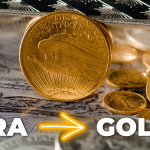
A. Advantages of investing in precious metals
1. Hedge against inflation and market volatility
Precious metals, particularly gold, and silver, have been shown to retain their value over time and can be used as a hedge against inflation and market volatility. This is because precious metals have intrinsic value and are not tied to the performance of any one particular company or industry.


2. Diversify your portfolio
Diversifying your portfolio can better safeguard your investments for future challenges as well as help you to be prepared and positioned for opportunities in the future.
Gold is a currency. It is still, by all evidence, a premier currency.
Alan Greenspan
No fiat currency, including the dollar, can match it
Investing in precious metals can help diversify your portfolio and reduce your overall risk exposure. Precious metals tend to have a low correlation with other asset classes, such as stocks and bonds, making them an effective tool for diversification.
3. Potential for long-term growth
Historically, gold and silver have demonstrated long-term growth potential. While past performance does not guarantee future results, the demand for precious metals continues to grow, particularly in emerging markets. This presents an opportunity for investors to benefit from potential long-term growth.
B. Comparison of precious metals with traditional investments
1. Historical performance of gold and silver vs. stocks and bonds
Over the long term, gold and silver have shown to be a reliable investments compared to stocks and bonds. For example, between 2000 and 2020, gold outperformed the S&P 500 by a factor of three.
2. Role of gold and silver in a well-rounded investment strategy
While precious metals should not make up the entirety of an investment portfolio, they can play a valuable role in a well-rounded strategy. As previously mentioned, precious metals can offer diversification and a hedge against inflation and market volatility.
III. How to Transfer Gold and Silver into Your Retirement Account
A. Types of retirement accounts that allow precious metals investments
Two popular types of retirement accounts that allow for precious metals investments are Individual Retirement Accounts (IRAs) and 401(k)s.
1. IRA
A self-directed IRA allows for investments in precious metals such as gold and silver. This type of account provides tax-deferred growth, and withdrawals are subject to taxes upon distribution.
2. 401(k)
Some 401(k) plans allow for investments in precious metals, but not all plans offer this option. Check with your plan administrator to see if it is available.
B. Choosing a precious metals dealer
1. Factors to consider when selecting a dealer
When selecting a precious metals dealer, it’s important to consider factors such as reputation, pricing, and delivery options.
2. Popular dealers and their services
Some popular precious metals dealers include JM Bullion, Provident Metals, and APMEX. These dealers offer a wide variety of products and delivery options.
C. Transferring funds to your retirement account
1. Steps to transfer funds
To transfer funds to your retirement account, you will need to work with your IRA custodian or plan administrator. The process typically involves completing a transfer request form and providing proof of purchase.
2. Potential tax implications
When transferring funds to a retirement account, it’s important to be aware of potential tax implications. While contributions to traditional IRAs and 401(k)s are tax-deductible, distributions are subject to income taxes. Additionally, if you withdraw funds before age 59 ½, you may be subject to a 10% early withdrawal penalty.
D. Purchasing gold and silver for your retirement account
1. Types of precious metals allowed in retirement accounts
Not all types of gold and silver products are allowed in retirement accounts. The IRS has strict guidelines on what types of metals are eligible, and they must meet certain purity and weight requirements.
2. Factors to consider when selecting gold and silver products
When selecting gold and silver products for your retirement account, it’s important to consider factors such as liquidity, premium, and storage. Popular products include American Gold and Silver Eagles, Canadian Maple Leafs, and Australian Kangaroos.
IV. Conclusion
A. Recap of the benefits of transferring gold and silver into your retirement account
Transferring gold and silver into a retirement account can offer a number of benefits, including diversification, a hedge against inflation and market volatility, and potential long-term growth.
B. Final thoughts on protecting your wealth through precious metals investment
Investing in precious metals is just one strategy for protecting your wealth. It’s important to consult with a financial advisor to develop a well-rounded investment strategy that fits your individual needs and goals. However, for those seeking to diversify their portfolio and protect their retirement savings, transferring gold and silver into a retirement account is a viable option.


